Urban Ark – Manawa Taiao
  • About us
    • Our Team
    • Partners
    • Our Origin
    • Reports
    • Plan
    • Policies
  • Contact
    • Get in touch
    • Location
    • Parking
  • Support us
  • Get involved
    • Potential home page text
    • Join a group
    • Make your garden native-friendly
    • Education
    • Citizen Science
    • Corporate volunteering
    • Being a good citizen
    • Other ways you can help
  • Te Taiao
    • Maunga / mountains
    • Awa / streams
    • Moana / sea
    • Ngahere / forests
    • Te Wai Ōrea / Western Springs
    • Manu / birds
    • Pekapeka / bats
    • Mokomoko / Skinks and geckos
    • Pūrerehua / Butterflies and moths
    • Ngā tuaiwi-kore / Invertebrates
  • Resources
    • Pest animal control
    • Pest animal monitoring
    • Pest plant control
    • Plant natives
    • Flood Resilience
    • Manage pets
    • Biodiversity Monitoring
    • The Workshop
    • Tool library
    • Health & Safety
  • News
  • Events
  1. Home
  2. Te Taiao
  3. Mokomoko / Skinks and geckos

Mokomoko / Skinks and geckos

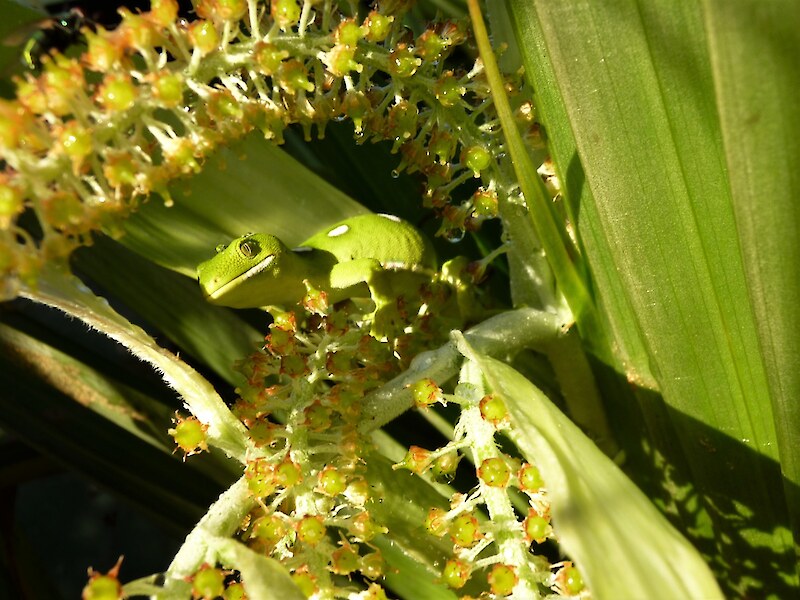
Auckland green geckoAuckland green gecko

New Zealand has two types of lizard – skinks and geckos – collectively mokomoko in te reo. Our native species aren’t found anywhere else in the world and are all fully protected. Sadly they are threatened by introduced mice, rats, stoats and cats.

Did you know?

  • Lizards love to hide in small spaces
  • Many of our geckos make ‘chirping’ noises, or even ‘bark’
  • Skinks can blink, but geckos can’t – they have to lick their eyes to keep them moist

Auckland’s lizards

In Auckland you may come across these skinks. It is unlikely you’ll see any of the gecko species in our urban patches, but please let us know if you do.

Copper skink (Oligosoma aeneum). Auckland’s most common garden skink isn’t threatened, but is secretive. It hides in rock gardens and compost heaps.

Ornate skink (Oligosoma ornatum). Secretive skink found in open areas with deep leaf litter. Widespread but often in low numbers.

Auckland green gecko (Naultinus elegans). Most easily found basking on foliage in sunlight this jewel of a gecko is more common in forest and scrub than in back gardens. Declining.

Forest gecko (Mokopirirakau granulatus). Mostly found in forest and scrub, moko-piri-rakau are declining except in areas with intense predator control.

Pacific gecko (Dactylocnemis pacificus). Generally nocturnal, this forest and scrub gecko hides beneath loose bark or in rocky outcrops.

Invaders
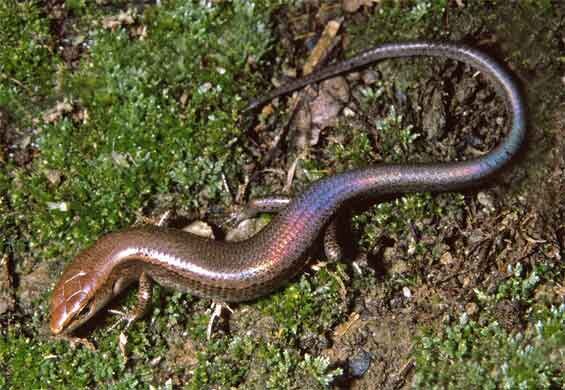
Plague skink (or Rainbow skink)Plague skink (or Rainbow skink)Unfortunately, the lizard you’re most likely to see in Auckland is the invasive Australian plague skink (aka Rainbow skink; Lampropholis delicata). They’re a little smaller than our native skinks, but breed rapidly laying clusters of eggs. There isn’t a great deal you can do about them other than avoiding spreading them to other areas. DOC have lots of great information on their Plague skinks page including a hotline for sightings outside the plague skink’s known range.

Attracting lizards

You can also encourage lizards and geckos to your back garden with our guide to Make Your Garden Native-Friendly. DOC is also a great source of info on how to attract lizards to your garden.

In this section

  • Te Taiao
    • Maunga / mountains
      • Maungawhau / Mt Eden
      • Ōwairaka / Te Ahikā Roa o Raka / Mt Albert
      • Pukekawa / Auckland Domain
      • Pukewīwī / Puketāpapa / Mount Roskill
      • Te Kōpuke / Titikōpuke / Mount St John
      • Te Tatua-a-Riukiuta / Big King
    • Awa / streams
      • Edgar's Creek
      • Ōpoutūkeha / Cox's Creek
      • Te Auaunga / Oakley Creek
      • Waiateao / Motions Creek
      • Waipapa
      • Wairaki
      • Waitītiko / Meola Creek
    • Moana / sea
    • Ngahere / forests
      • Lava Rock Forests
    • Te Wai Ōrea / Western Springs
    • Manu / birds
      • Kākā
      • Kākāriki
      • Kererū
      • Korimako / Bellbird
      • Riroriro / Grey Warbler
      • Tōrea / South Island Pied Oystercatcher
      • Ruru / Morepork
      • Tūī
      • White-faced heron
      • Rogues gallery
    • Pekapeka / bats
    • Mokomoko / Skinks and geckos
    • Pūrerehua / Butterflies and moths
    • Ngā tuaiwi-kore / Invertebrates
  • Facebook
  • Instagram
Subscribe to our newsletter

© Urban Ark – Manawa Taiao 2025

Photo credits: Bartek Wyptch (grey warbler), Graeme Hill (Auckland green gecko); Tony Whitaker (Plague skink)

Urban Ark – Manawa Taiao logo: Glenn Jones

Website by RS

  • Get involved
    • Potential home page text
    • Join a group
      • Wai-a-te-Ao – F&B Bullock Track Restoration Project
      • Friends of Maungawhau
      • Ngā Ringa o Te Auaunga Friends of Oakley Creek
      • Jaggers Bush Restoration Group
      • Kingsland Eco-neighbourhood
      • Weona Lemington Coastal Forest Restoration Group
      • Maungawhau Ecological Halo
      • Oakley Loop Group
      • Pest Free Gladstone
      • Pest Free Balmoral
      • Pest Free Mt Eden
      • Pest Free Ōwairaka
      • Pest Free Pt Chevalier
      • Pest Free Sandringham
      • Pest Free Waterview
      • Predator Free Grey Lynn
      • Predator Free Herne Bay-Ponsonby
      • Predator Free Morningside / Western Springs
      • Manu Tīoriori I Te Uru / Western Songbird Project
      • Predator Free Westmere / Te Rehu Konihi Kore
      • STEPS
      • Sanctuary Gardens Mahi Whenua
      • Urban Ark – Manawa Taiao
      • Wellpark Streamers
      • Record a catch
      • Conservation Volunteeers NZ
      • Forest & Bird Balmoral Heights
      • Chamberlain Conservation Group
      • Bluegreens Meola Creek Restoration Project
      • Te Wai Ōrea
      • Tītīkōpuke Habitat Initiative
    • Make your garden native-friendly
    • Education
      • Te Wai Ōrea Education Programme
      • Schools Engagement Programme
    • Citizen Science
    • Corporate volunteering
    • Being a good citizen
    • Other ways you can help
  • Te Taiao
    • Maunga / mountains
      • Maungawhau / Mt Eden
      • Ōwairaka / Te Ahikā Roa o Raka / Mt Albert
      • Pukekawa / Auckland Domain
      • Pukewīwī / Puketāpapa / Mount Roskill
      • Te Kōpuke / Titikōpuke / Mount St John
      • Te Tatua-a-Riukiuta / Big King
    • Awa / streams
      • Edgar's Creek
      • Ōpoutūkeha / Cox's Creek
      • Te Auaunga / Oakley Creek
      • Waiateao / Motions Creek
      • Waipapa
      • Wairaki
      • Waitītiko / Meola Creek
    • Moana / sea
    • Ngahere / forests
      • Lava Rock Forests
    • Te Wai Ōrea / Western Springs
    • Manu / birds
      • Kākā
      • Kākāriki
      • Kererū
      • Korimako / Bellbird
      • Riroriro / Grey Warbler
      • Tōrea / South Island Pied Oystercatcher
      • Ruru / Morepork
      • Tūī
      • White-faced heron
      • Rogues gallery
    • Pekapeka / bats
    • Mokomoko / Skinks and geckos
    • Pūrerehua / Butterflies and moths
    • Ngā tuaiwi-kore / Invertebrates
  • Resources
    • Pest animal control
      • Trapping activity maps
      • Humane trapping
      • Trap rats
      • Trap possums
      • Trap stoats
      • Trap hedgehogs
      • Trap mice
      • Trapping FAQs
      • Recording your trapping activity
      • ANFA pulsing
    • Pest animal monitoring
    • Pest plant control
      • Moth Plant
    • Plant natives
    • Flood Resilience
    • Manage pets
    • Biodiversity Monitoring
    • The Workshop
      • Making trap tunnels
      • Rat-proof your compost
      • Nest boxes for ruru
      • Build a wētā hotel
    • Tool library
    • Health & Safety
  • News
  • Events
  • About us
    • Our Team
    • Partners
    • Our Origin
    • Reports
    • Plan
    • Policies
  • Contact
    • Get in touch
    • Location
    • Parking
  • Support us